Among the many voices that narrate the history of the Crusades, one stands out for its scope, intelligence, and enduring influence: William of Tyre. Writing in the twelfth century at the heart of the Latin Kingdom of Jerusalem, William produced one of the most important historical works of the Middle Ages. His chronicle, usually referred to as the Historia, remains indispensable for understanding the Crusader states, their politics, and their place in the wider medieval world.
But who exactly was William of Tyre? How did he rise from relatively modest origins to become a central political figure, royal tutor, and historian? And why did he write the work that has secured his reputation for nearly a millennium?
A Jerusalem Native in a Crusader World
William was born in Jerusalem around 1130, only a generation after the success of the First Crusade. This timing is crucial. He belonged not to the first wave of crusaders, but to a new generation born and raised in the Latin East, what historians call Outremer. His family background remains obscure, but most scholars agree his parents were settlers who had arrived during or shortly after the First Crusade.
Unlike many leading figures of his time, William was probably not of noble birth. Evidence suggests his family belonged to the prosperous middle ranks of Jerusalem’s society. A document from 1175 mentions a man named Ralph, identified as William’s brother, likely a burgess. This places William firmly outside the aristocracy, a fact that makes his later rise all the more remarkable.
His ascent was not based on lineage, but on education, intellect, and ability.
Education Across Europe
One of the most fascinating discoveries about William’s life came in the twentieth century, when scholars uncovered a “lost” autobiographical chapter from his Historia. In it, William reveals that he spent nearly twenty years studying in Western Europe.
He likely left Jerusalem around 1146 as a teenager and returned in 1165. During that time, he studied:
- Liberal arts and theology in Paris and Orléans
- Civil law in Bologna
This was an elite education by any standard. Bologna, in particular, was a leading centre for legal studies, and William’s training there would later prove invaluable in both church and state affairs.
By the time he returned to Jerusalem, William was not just educated, he was exceptionally well-educated, equipped with intellectual tools few of his contemporaries possessed.
Rise to Power
William’s career advanced rapidly after his return. He entered the Church and soon caught the attention of King Amalric I of Jerusalem. Recognising his talent, Amalric promoted him and entrusted him with important responsibilities.
Within a few years:
- William became Archdeacon of Tyre
- He undertook diplomatic missions, including negotiations with Manuel I Komnenos
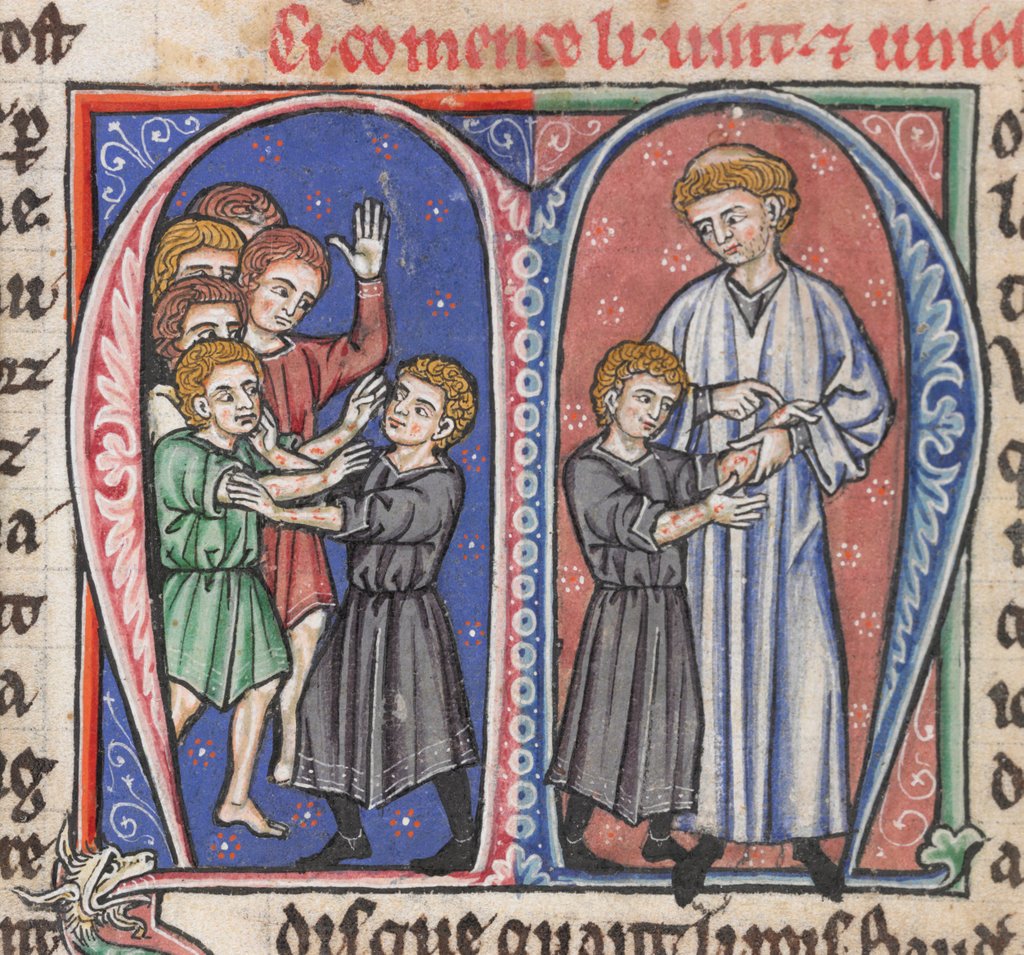
- He was appointed tutor to the young prince who would become Baldwin IV of Jerusalem
This last role was particularly significant. As Baldwin’s tutor, William was not just an observer of power—he was shaping the mind of a future king.
In 1174, after Amalric’s death, William’s influence reached its peak. He became Chancellor of the kingdom and, shortly after, Archbishop of Tyre. He also attended the Third Lateran Council in Rome, a major ecclesiastical gathering.
At this point, William stood at the centre of both political and religious life in the Crusader kingdom.
Court Politics and Rivalries
Yet William’s career was not without setbacks. The politics of Jerusalem were deeply factional, and his fortunes were closely tied to those he supported.
He aligned himself with the regent Raymond III of Tripoli and the established nobility. Opposing them was a rival “court party,” which included figures such as:
- Agnes of Courtenay
- Guy of Lusignan
- Reynald of Châtillon
- Heraclius
In 1180, William suffered a major blow when he lost the election for Patriarch of Jerusalem to Heraclius. This defeat marked a turning point. Although he remained Archbishop of Tyre, he gradually withdrew from active political life.
It was during this period of relative isolation that he focused more fully on his great historical work.
The Historia: A Monument of Medieval Writing
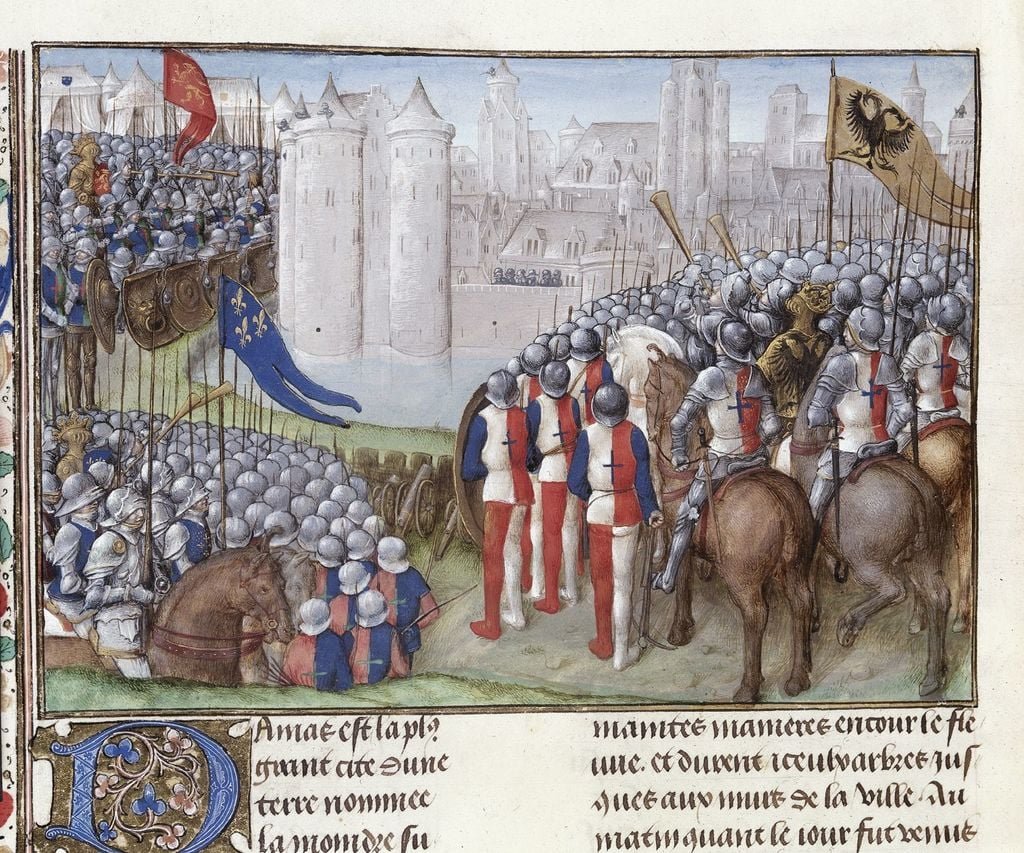
William’s Historia is a sweeping narrative of the Crusades and the Kingdom of Jerusalem, from the late eleventh century to his own lifetime. It begins with the origins of the Crusade and builds into a detailed account of political, military, and religious developments in the Latin East.
What makes the Historia remarkable is not just its scope, but its method.
William combined:
- Earlier written sources, such as the works of Fulcher of Chartres
- Oral testimony from eyewitnesses
- Archival documents
- His own firsthand experience
He was careful, critical, and often reflective about the reliability of his sources. In an age when historical writing could easily drift into legend, William showed an unusual willingness to question and evaluate the stories he encountered.
A Skilled and Thoughtful Historian
Modern historians generally regard William of Tyre as one of the finest historians of the Middle Ages. His strengths include:
- A critical approach to sources
- A broad intellectual range
- A relatively balanced and nuanced perspective
- Elegant and sophisticated Latin prose
He was also unusually fair-minded. Even when writing about rivals like Heraclius, he avoided excessive bitterness. And although he had clear political loyalties, he did not simply turn his history into propaganda.
That said, his work is not without flaws. Scholars have noted:
- Chronological errors, particularly in dating reigns
- A tendency toward ecclesiastical concerns
- The inevitable influence of his personal and political perspective
Yet these shortcomings are minor compared to the scale of his achievement.
Final Years and Legacy
William likely died around 1184, shortly after completing his chronicle. His death came just before one of the most catastrophic events in Crusader history: the fall of Jerusalem to Saladin in 1187.
Although he did not live to record that moment, his work shaped how later generations understood the Crusader states.
The Historia was widely copied, translated, and read throughout medieval Europe. It became a foundational source for later historians and remains essential today.
FAQ: William of Tyre
Who was William of Tyre?
William of Tyre was a 12th-century historian, cleric, and Archbishop of Tyre, known for his detailed history of the Crusader states.
When did he live?
He was born around 1130 in Jerusalem and died between 1184–1186.
What did he write?
His main work is Historia rerum in partibus transmarinis gestarum (“History of Deeds Done Beyond the Sea”), chronicling the Crusader states and the First Crusade.
Why is he important?
William is one of the most valuable sources on the Crusader kingdoms, offering eyewitness insight into politics, society, and royal affairs.
What roles did he hold?
He served as Archdeacon, Chancellor, and Archbishop of Tyre, and was tutor to King Baldwin IV of Jerusalem.
Was he reliable?
Generally considered reliable, William used eyewitness accounts and documents, though his work reflects his own perspective.